
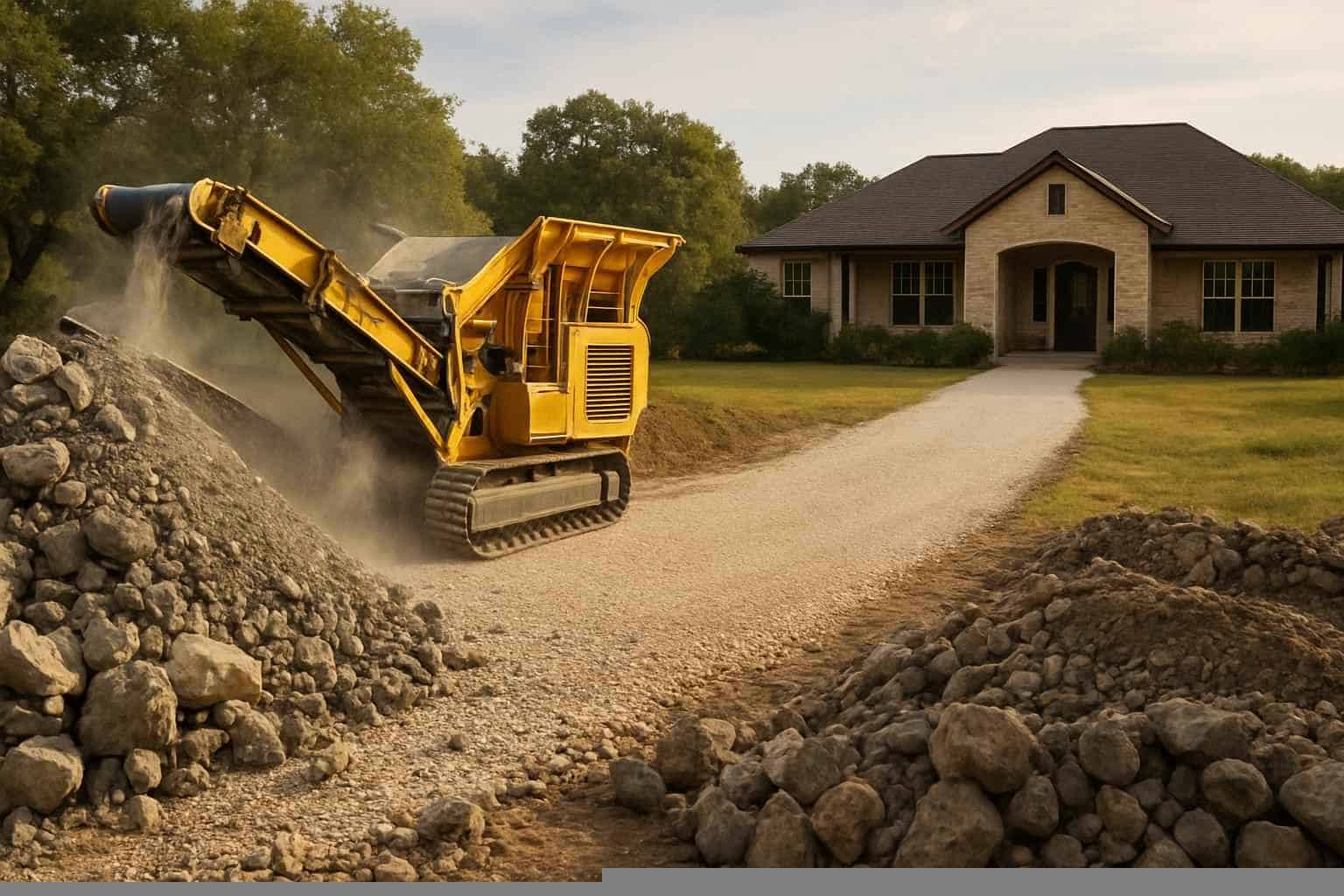
Rock Crushing in Pipe Creek should start with the property objective and marked work limits. The goal is to process suitable on-site rock to a target size or usable layer. A written scope should distinguish the core service from optional clearing, excavation, hauling, imported material, grading or restoration.
Before mobilization, confirm boundaries or easements when relevant, public and private utilities, access, drainage, retained features, nearby improvements, staging space and the required next use. Unknown soil, rock, buried material or restricted waste should be recorded as an assumption to investigate, not a promise.
Request Rock Crushing Estimate
Define the result before choosing equipment
Describe the actual use and measurable work limits so the method follows the outcome rather than the service label.
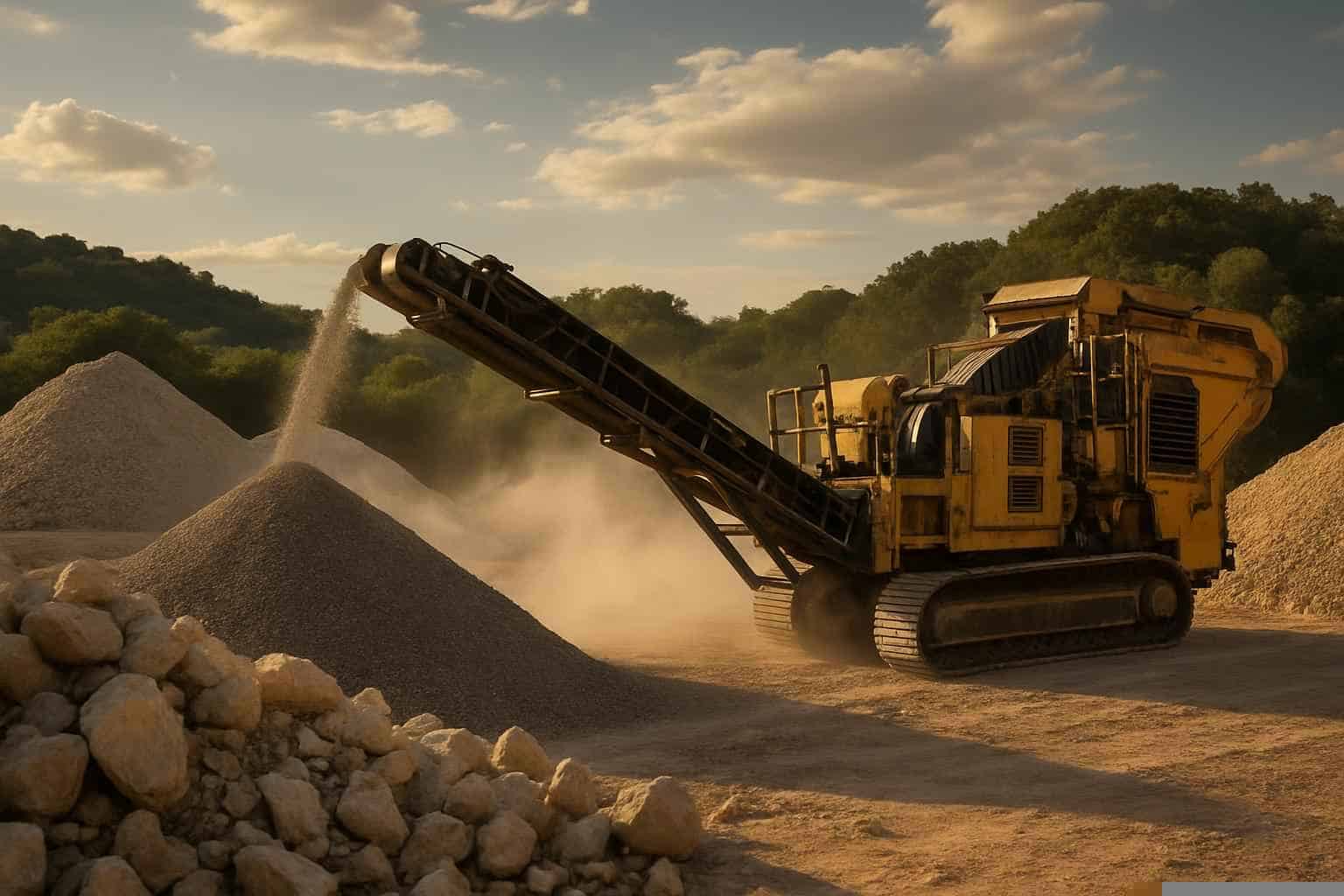
Match the method to the Pipe Creek site
Equipment and sequence should account for slope, soil or rock, weather, access, working room and acceptable disturbance.
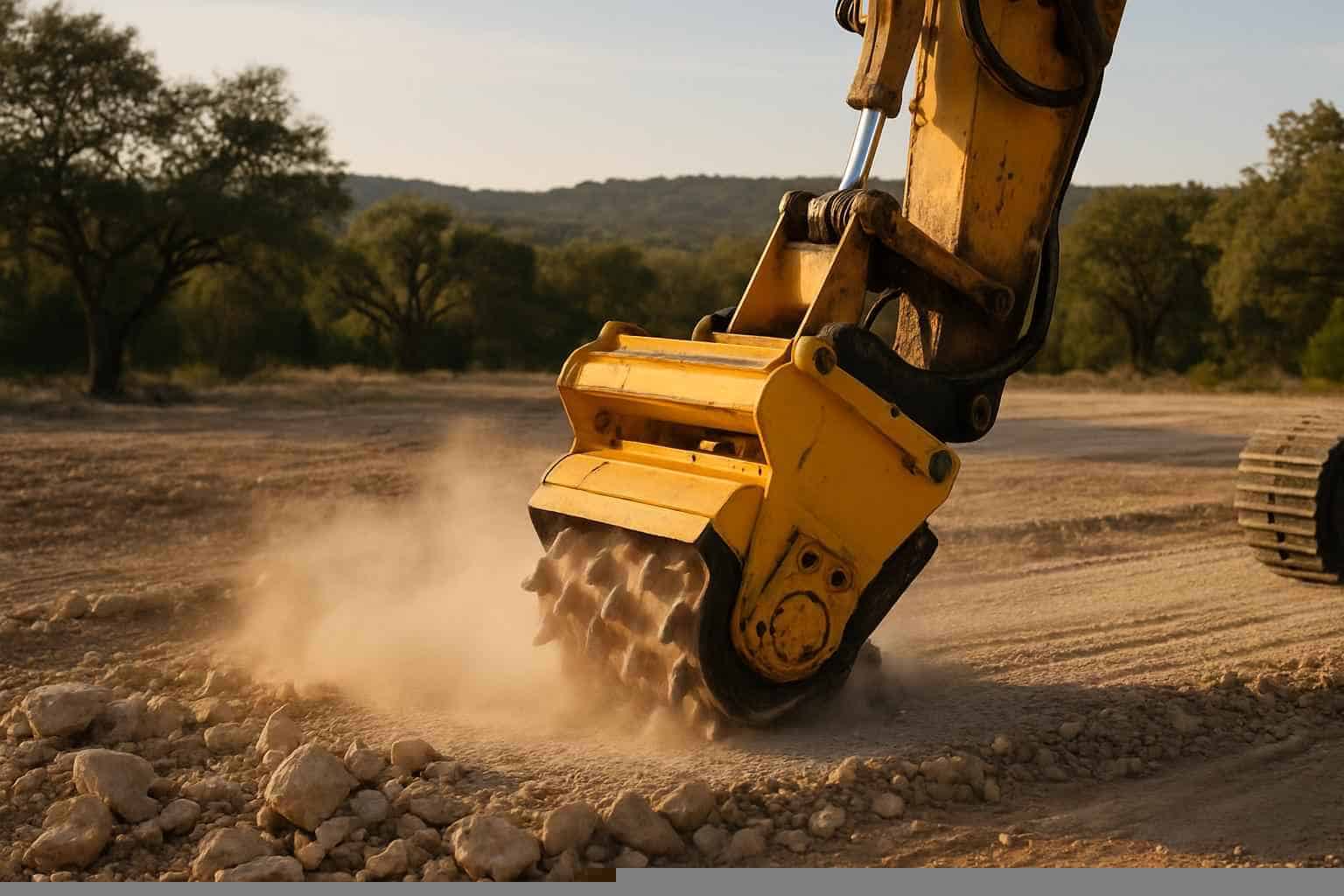
Protect access, utilities and retained features
Mark gates, overhead limits, weak roads, slopes, wet areas, structures, fences, trees, wells, septic components, waterways, utilities and no-disturb zones.
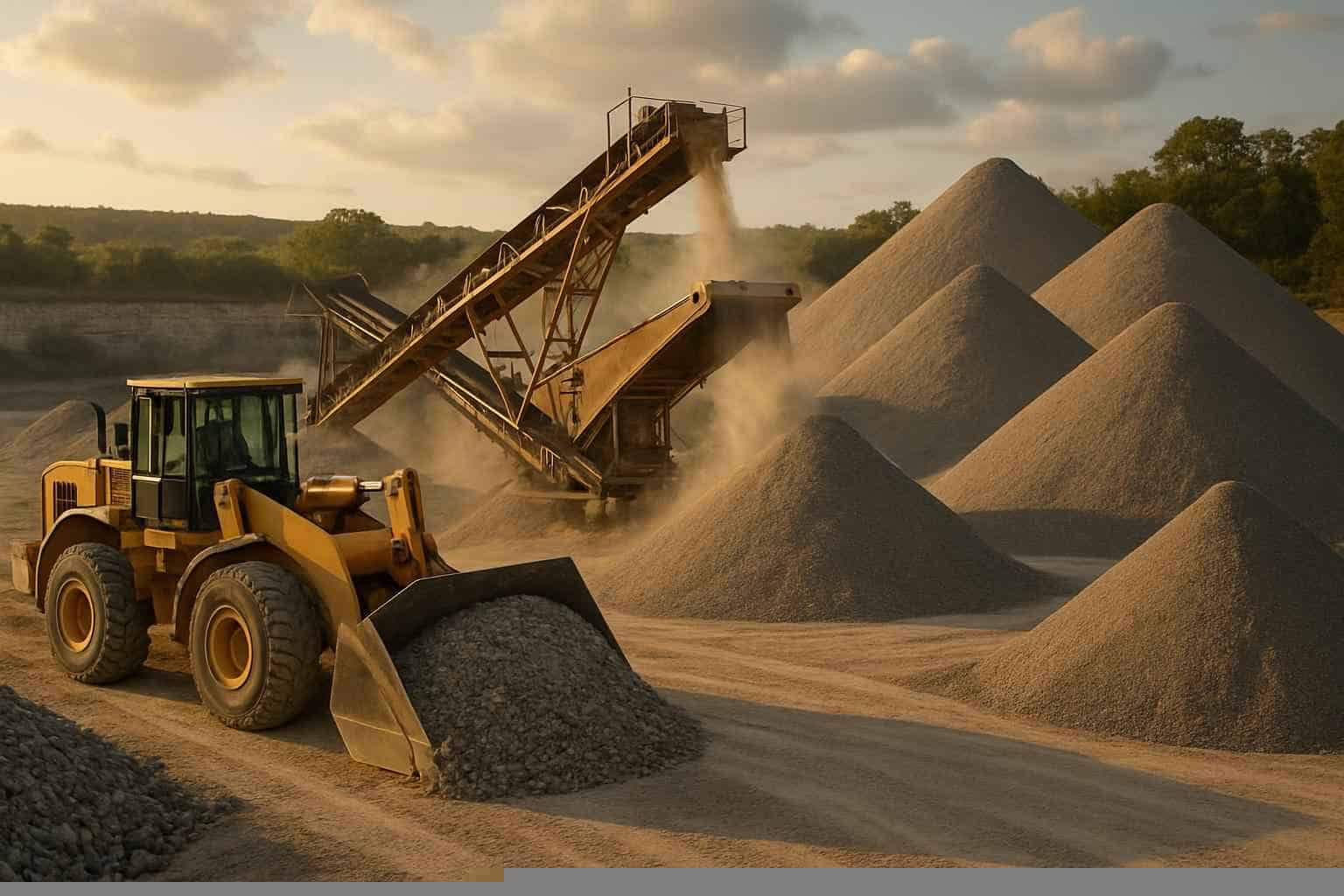
Decide how material will be handled
State what remains, what is reused or stockpiled, what is loaded or hauled, the destination, and who supplies disposal, backfill, imported material or stabilization.
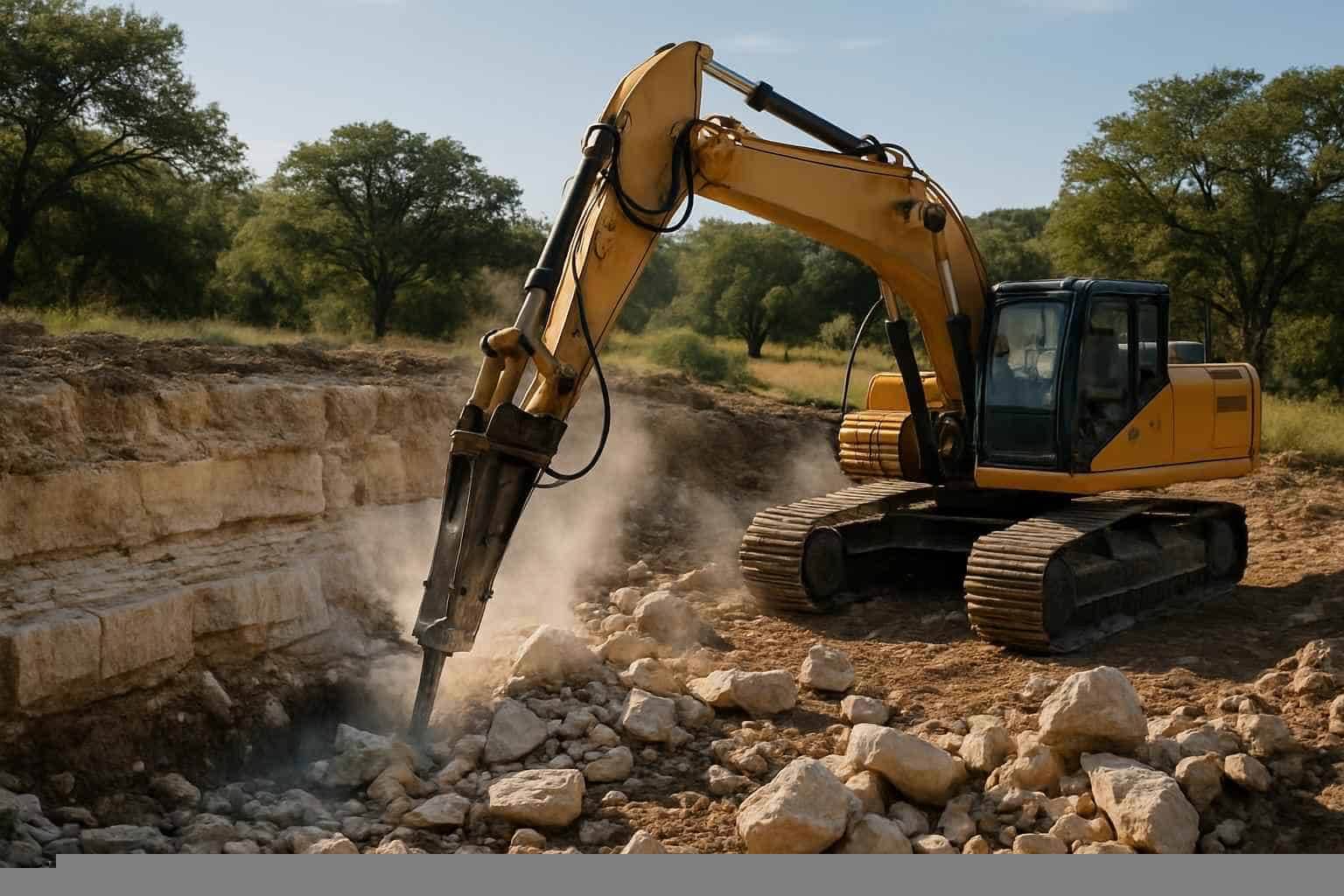
Use a measurable completion standard
Check the work against processing limits, target size range, treated depth or stockpile location and oversize handling. Appearance alone is not a complete acceptance standard.
Prepare a useful Pipe Creek estimate request
Provide current photos, dimensions, a marked map and details about area or tonnage, rock type and size, target product, depth, access, utilities and stockpile plan. Note uncertainties separately so allowances or further investigation are clear.
Frequently Asked Questions About Rock Crushing in Pipe Creek
What should be marked before work begins?
Mark work limits, utilities and private services, access, retained features, drainage paths and no-disturb areas. Provide a verified line where a boundary or easement controls the work.
Why can estimates differ between similar properties?
Access, slope, rock or soil, quantities, density, equipment room, method, hauling, destination charges, imported material and finish requirements can change production.
Is hauling automatically included?
No. Define reuse, stockpiles, material to load, destination, restricted items and who is responsible for disposal or processing.
How should completion be checked?
Compare the finished work with the written limits and the agreed standard for processing limits, target size range, treated depth or stockpile location and oversize handling. Record follow-on work outside this scope.
What information improves estimate accuracy?
Current photos, measurements, a marked map and details about area or tonnage, rock type and size, target product, depth, access, utilities and stockpile plan are more useful than an address or acreage alone.