Land Clearing in Burnet should begin with the property purpose, retained features, and marked limits. A written scope separates required work from optional follow-up and helps owners compare estimates on the same basis.
Confirm verified work limits, utilities and private services, equipment access, drainage, protected features, staging space, and the finish required for the next use. Record assumptions about rock, roots, buried debris, soft ground, restricted material, or limited working room.
Request a Land Clearing Estimate
Plan around the intended use
Homesites, ranch access, pasture, roads, utilities, fences, drainage work, and landscaping require different limits, tolerances, and handoff conditions.
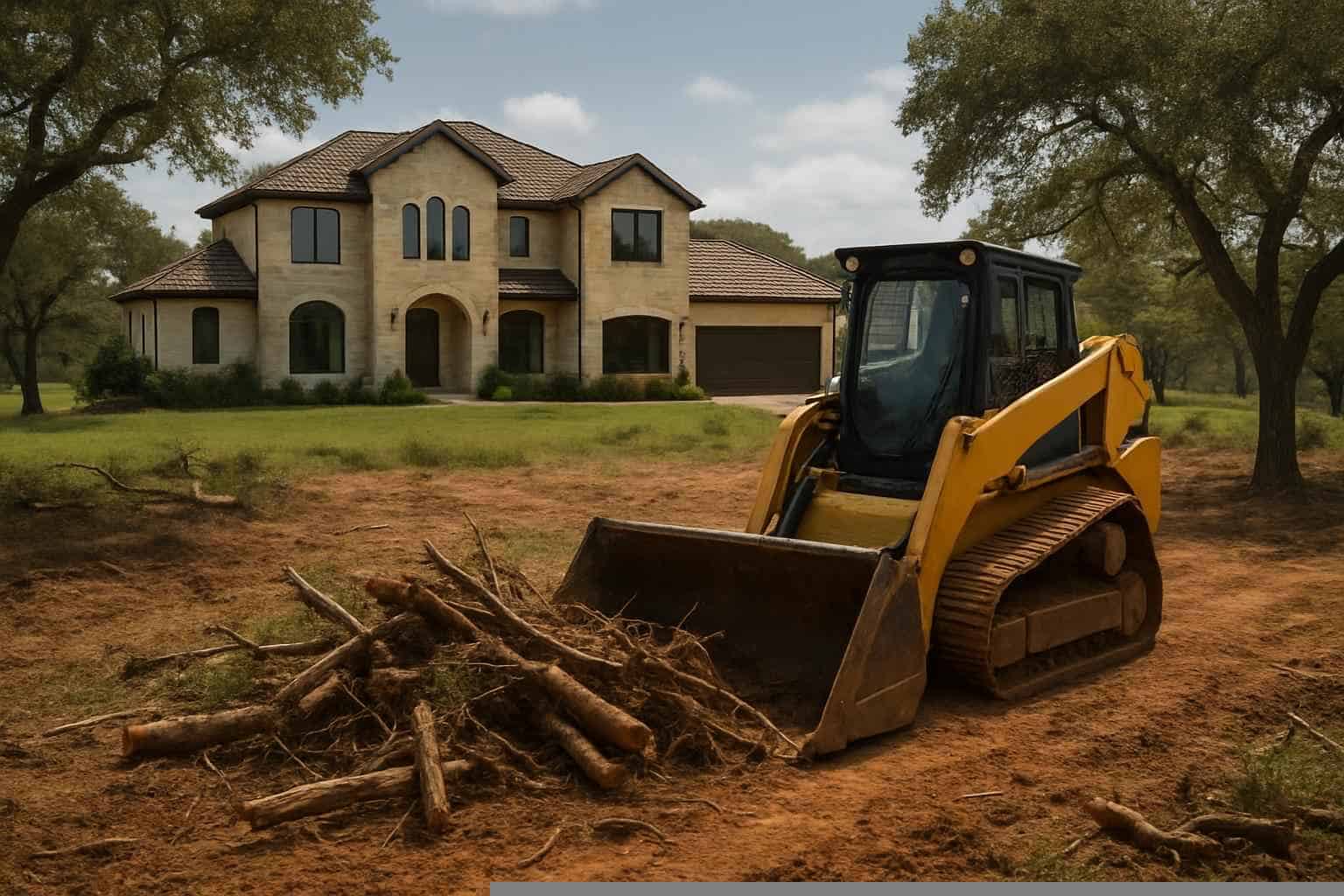
Choose a method that fits the property
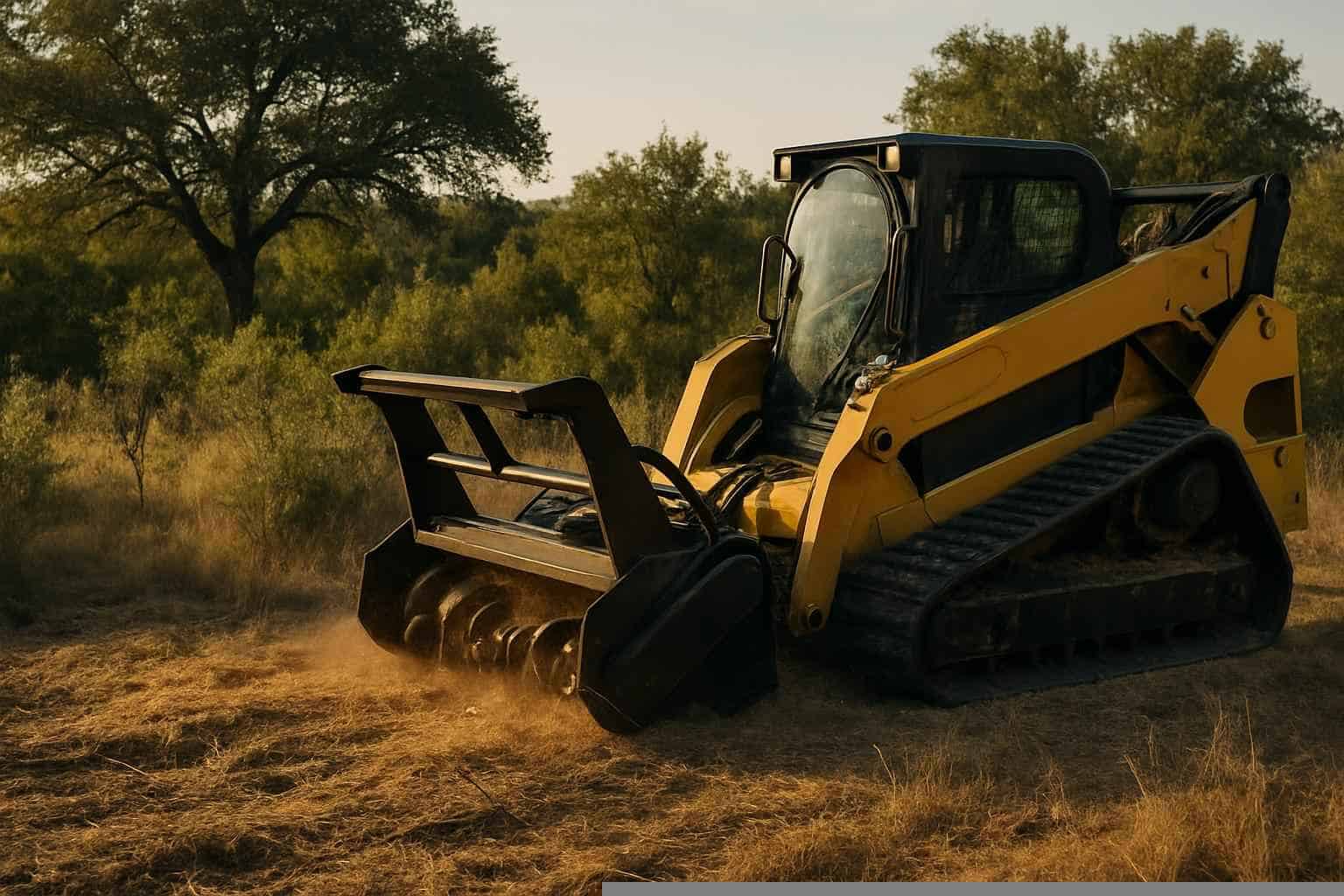
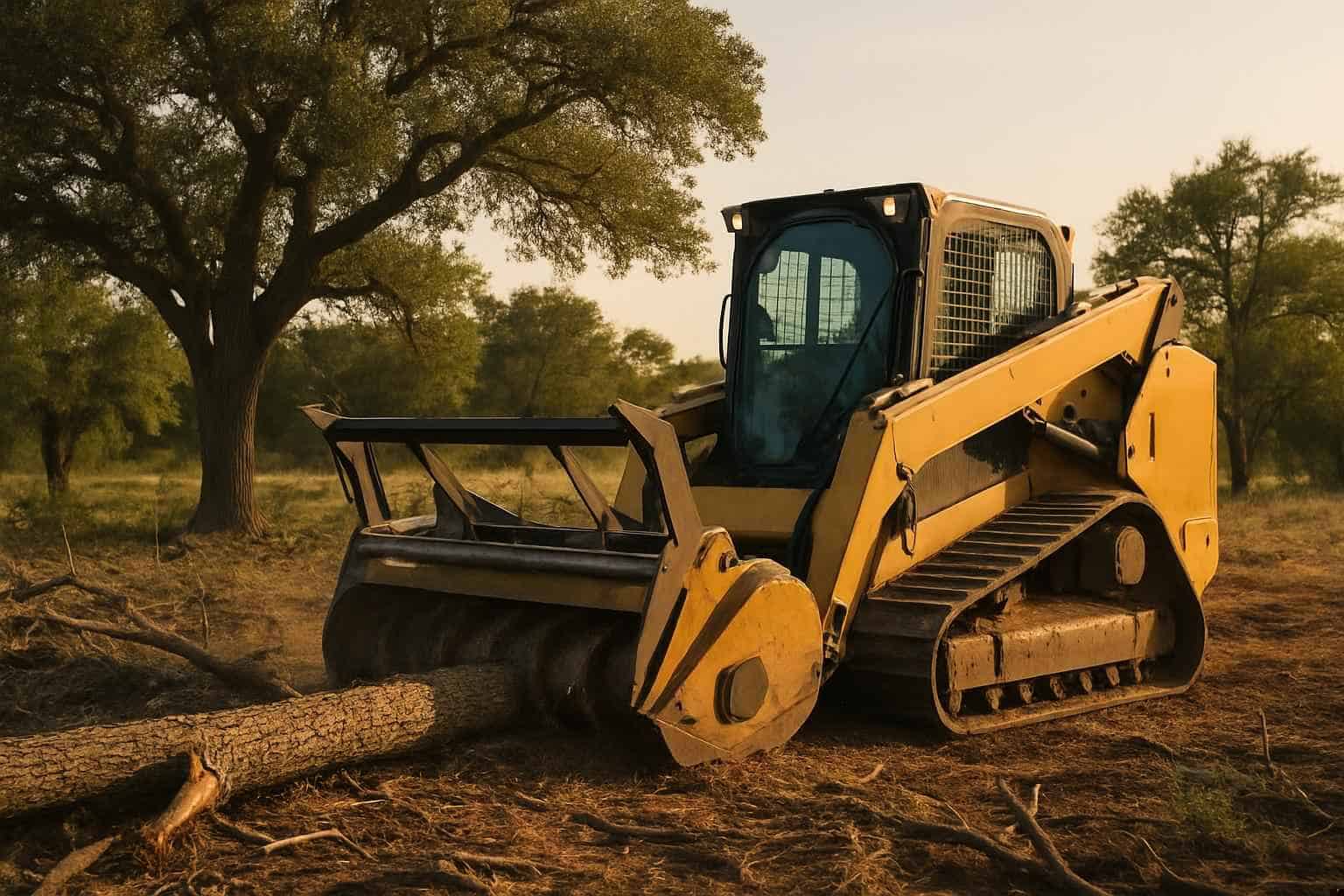
Select cutting, mulching, grubbing, excavation, grading, breaking, sorting, loading, placement, or compaction operations according to the service, terrain, material, weather, and acceptable disturbance.
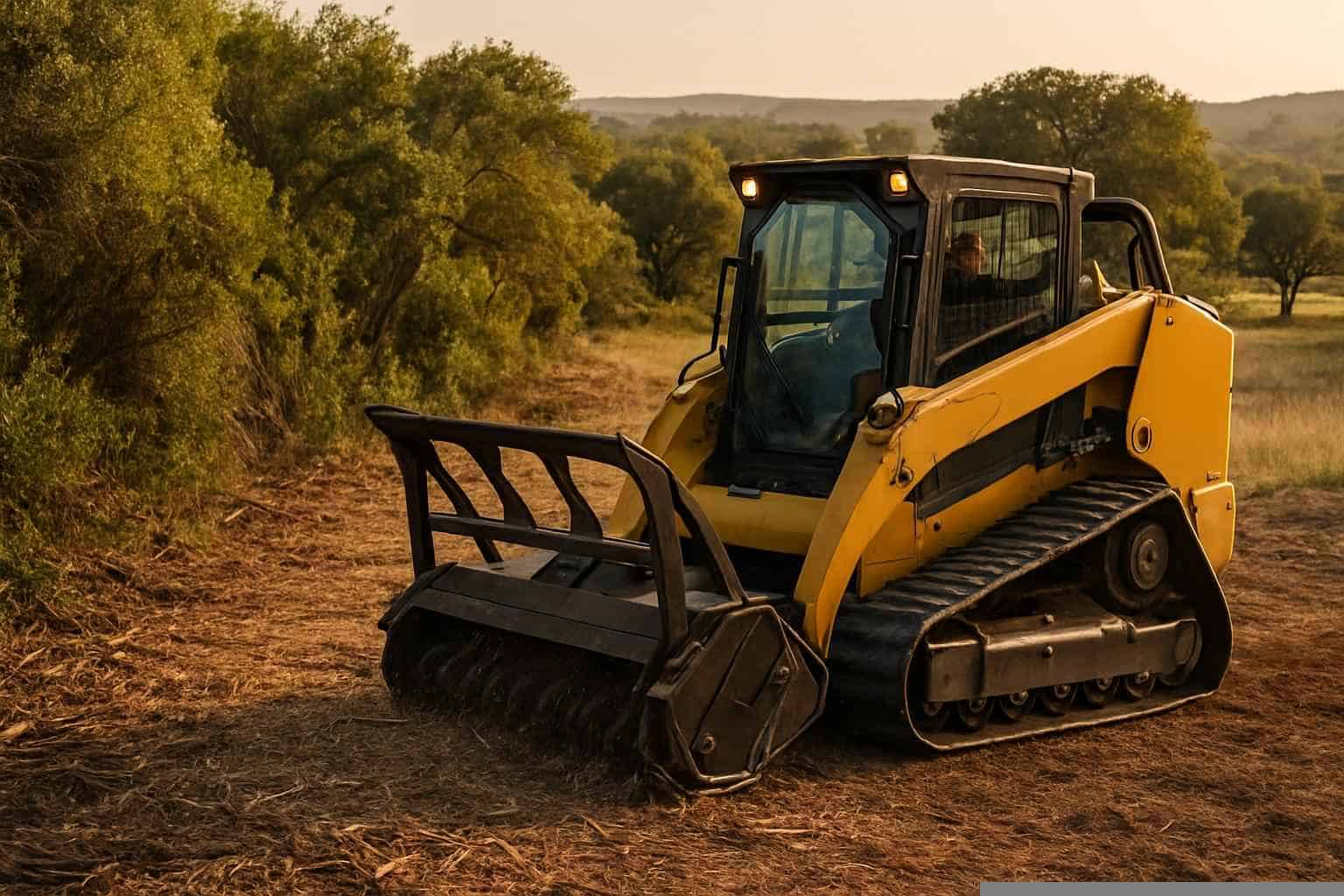
Protect utilities, drainage, and retained features
Identify gates, overhead clearance, turning room, load-sensitive roads, slopes, wet ground, buildings, fences, trees, wells, septic components, waterways, and every public or private utility conflict.
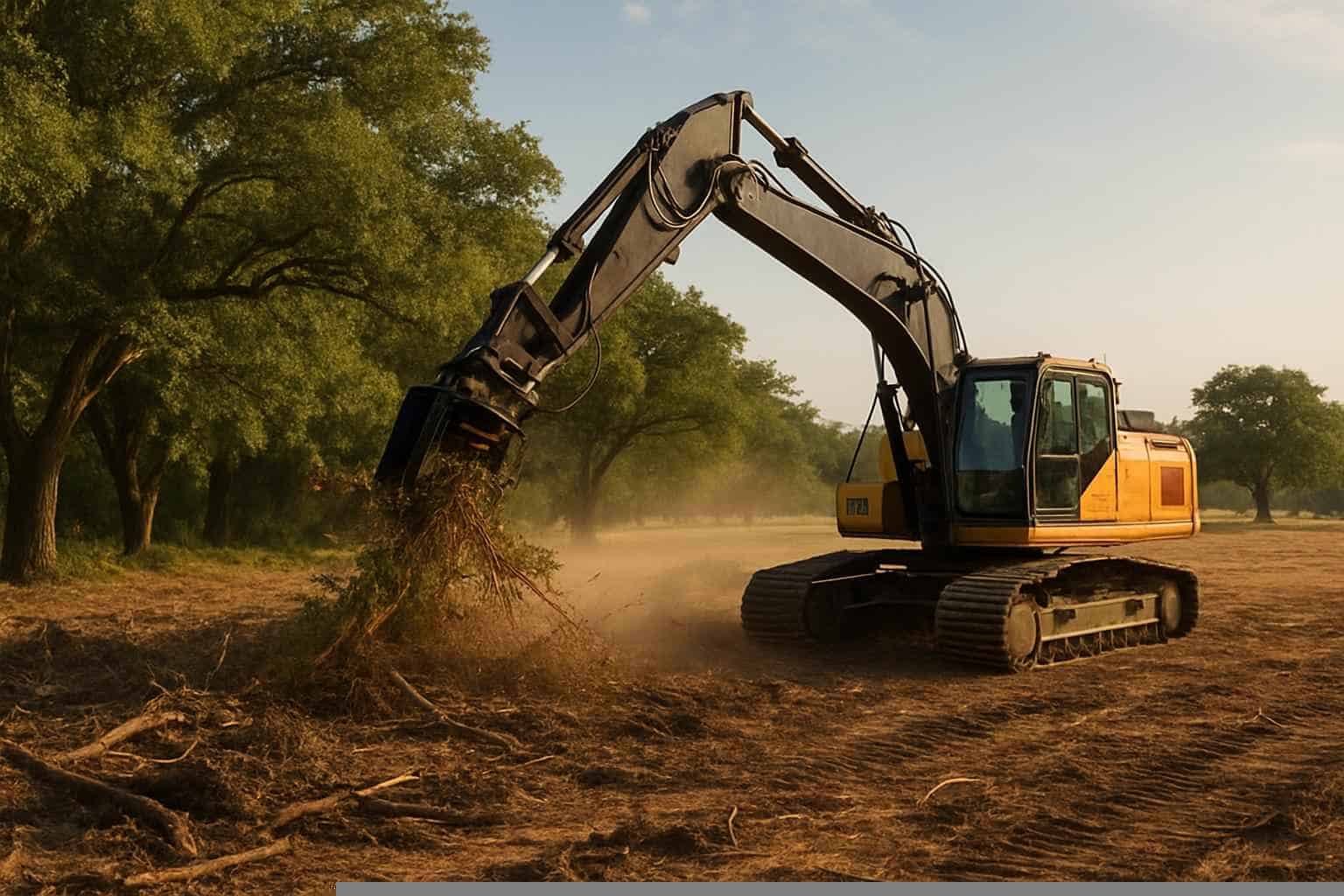
Decide how material will be handled
The scope should address trees, brush, roots, rock, mulch, and soil. State what remains, what is reused or stockpiled, what is hauled, where loading occurs, and who provides disposal, imported material, backfill, or stabilization.
Define the finished condition
Use measurable points: marked limits, target depth or height, elevation or slope where relevant, material placement, drainage, specified compaction, surface cleanup, and readiness for the next planned use.
Prepare a useful Burnet estimate request
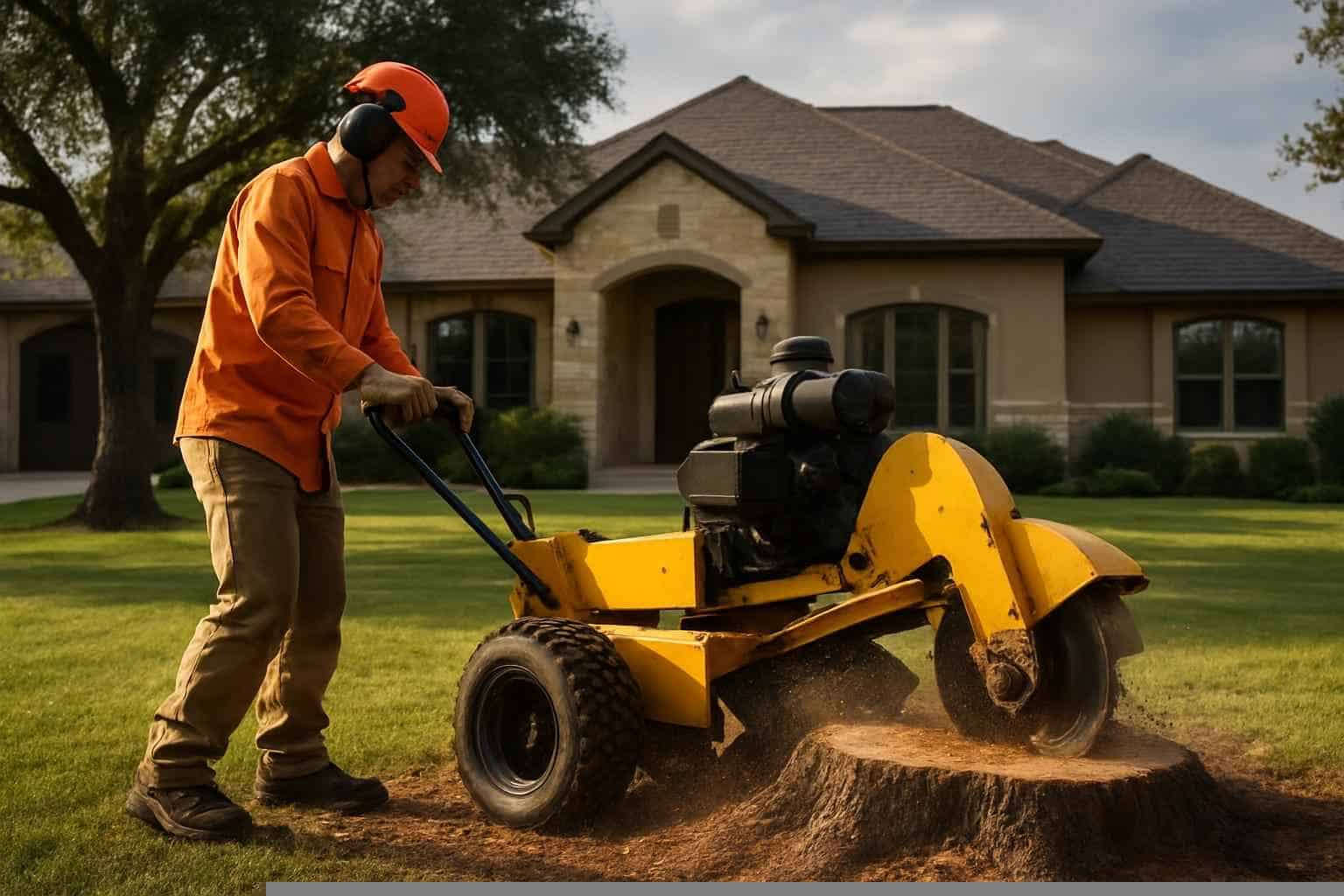
Provide current photos, dimensions, a marked map, access and utility details, site conditions, material choices, and the required finish. For land clearing, include the relevant quantities, depths, sizes, loads, and current plans.
Frequently Asked Questions About Land Clearing in Burnet
What should be marked before work begins?
Mark boundaries or easements when relevant, work limits, utilities and private services, access, retained features, drainage paths, and no-disturb areas.
Why do estimates differ between similar properties?
Access, slope, rock or soil, vegetation or material density, equipment room, method, hauling, disposal restrictions, imported material, and finish requirements affect production and cost.
Is hauling automatically included?
Not necessarily. Define on-site reuse, stockpiles, material to haul, loading conditions, destination, and any restricted or unusually heavy items.
How should completion be defined?
Use agreed dimensions, depth or height, elevation or slope, material handling, drainage, compaction when required, cleanup, and readiness for the next planned use.
What improves estimate accuracy?
Current photos, dimensions, a marked map, known conflicts, utility status, material choices, and a precise finish are more useful than acreage or an address alone.